Boat Reviews
Center Consoles*
Editors Choice-HomePage
Featured Posts
Featured Posts 2025
Performance boats
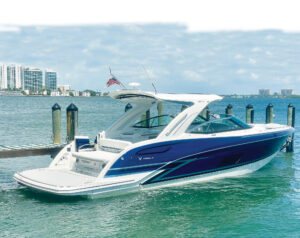
2025 Formula 360 CBR
By Mike Burns There’s a certain moment when you first step aboard the Formula 360
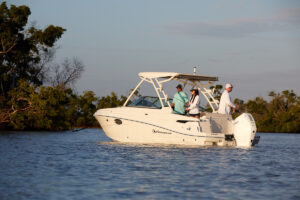
2025 Crownline Finnseeker 240 DC
By: Gordon Cruise McBride Crownline is renowned for its robust build quality, and the 240
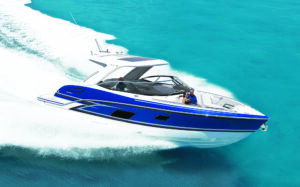
Next Generation
The all-new 360 Crossover Bowrider marks a new era for Formula Boats. By Gregg Mansfield
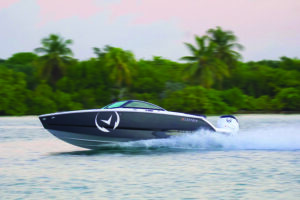
2025 Four Winns H2E
By Mike Burns The 2025 Four Winns H2E is an innovative electric bowrider that blends
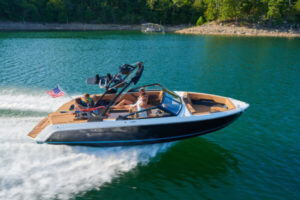
2025 Cobalt CS23
By: Gordon Cruise McBride Cobalt Boats has built a solid reputation among boating enthusiasts since

2025 Bad River Boats 18’ Cottager
By: Gordon Cruise McBride The Bad River Boats 18’ Cottager is a rugged, purpose-built aluminum
Center of Attention
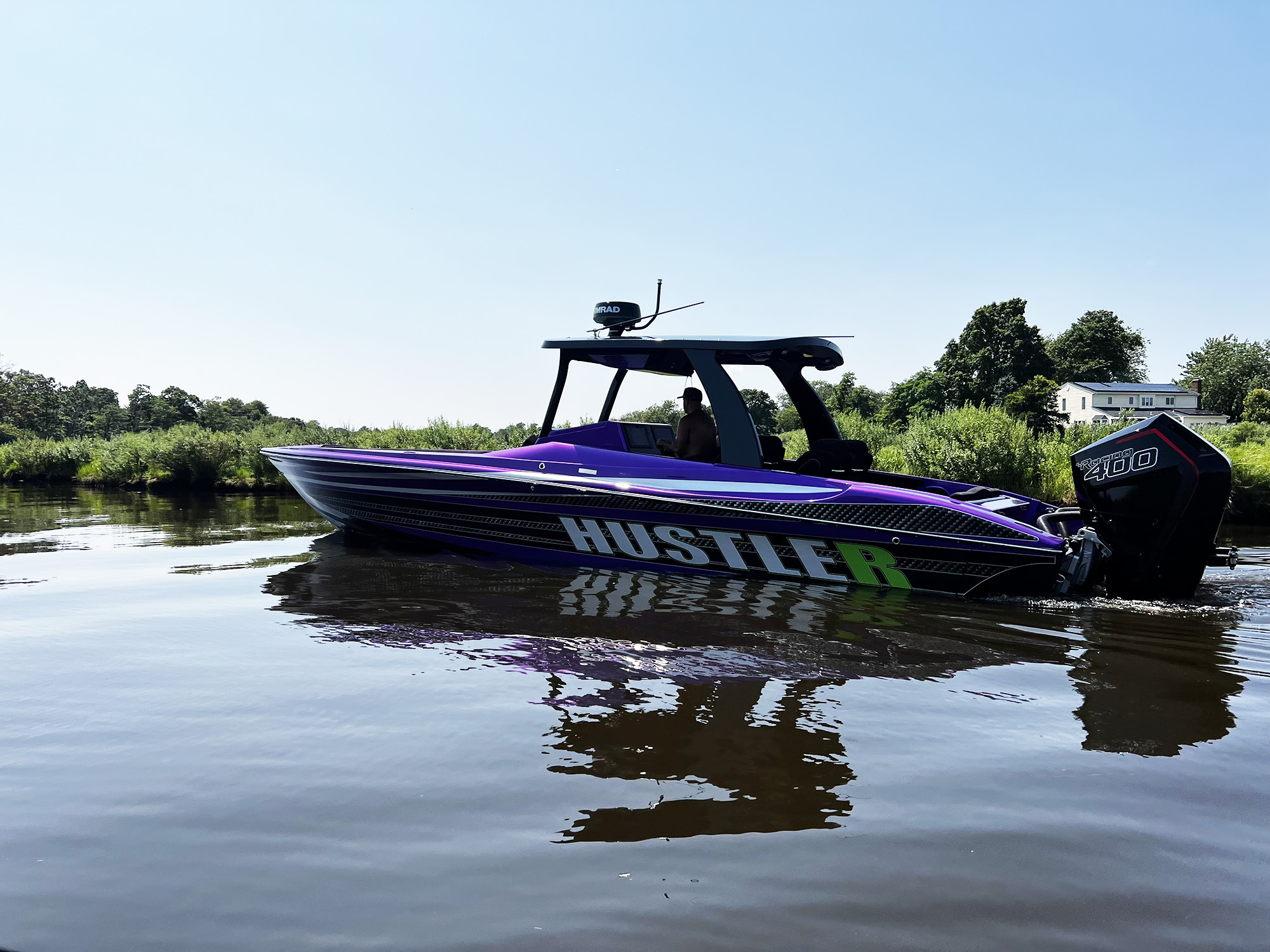
Hustler Powerboats launched its first true center console, the 344CC. By Gregg Mansfield Hustler Powerboats

Wellcraft 38 T-Top
By Mike Burns The Wellcraft 38 T-Top isn’t your average center console. It is bold,
2025 Yamaha 252 FSH Sport
By: Gregg Mansfield The 252 FSH Sport from Yamaha delivers a lot of boat for
2025 Pursuit S 328
By: Gregg Mansfield Pursuit Boats left little untouched when updating the Pursuit S 328 (34’
2025 Coastal Vokey 233
By: Mike Burns The 2025 Coastal Vokey 233 Centre Console is a standout vessel designed
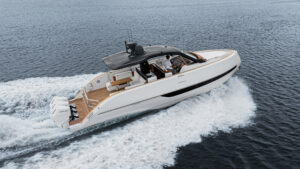
2025 Invictus TT430S
By: Gregg Mansfield Italy’s Invictus Yachts designed the Invictus TT430S center console specifically for the

Serengeti Delio and Serengeti Lenwood Sunglasses: A Review for Boating and Watersports Enthusiasts
Every serious boater has a list of absolutely necessary things required on our boat. You
Center of Attention
Hustler Powerboats launched its first true center console, the 344CC. By Gregg Mansfield Hustler Powerboats
The joys of fishing under the ice
Tips and tricks to keep you safe while fishing during the winter. By Patrick Campeau
Removal of the Luxury Tax on Boats
Hot off the press! In Canada’s 2025 federal budget, Finance Minister Chrystia Freeland announced a
Agapi Boat Club — A Premium Yacht Membership to World-Class Boating
Nestled on the shores of Lake Ontario, the Agapi Boat Club offers a refreshingly modern
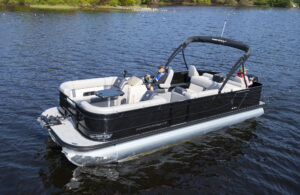
Pontoons – the comfortable way to fish…
Here’s a look at seven top models. By Patrick Campeau The most imposing family of
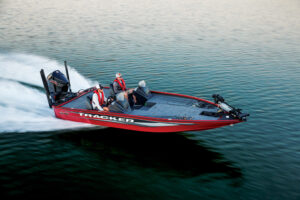
2025 Tracker Savage 215
By: Jarrett Matthews The Tracker Boats Savage 215 is great for anglers who want big-water
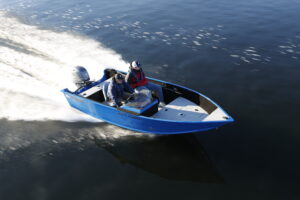
2025 Smoker Craft 161 Lazer
One of the finest affordable fishing boats. By: Gordon Cruise McBride If you are into
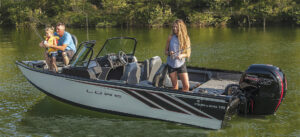
2025 Lowe Fish and Ski 1900
By: Jarrett Matthews The Lowe Fish and Ski 1900 is the ultimate versatile fishboat for
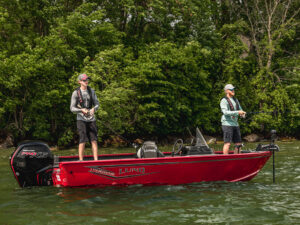
2025 Lund Adventure 1775
By: Jarrett Matthews For over 70 years, Lund Boats has been innovating and building quality
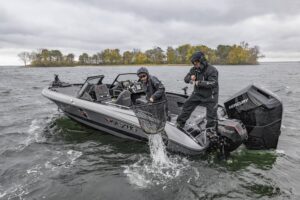
2025 Vexus DVX 22s
By: Jarrett Matthews The Vexus DVX 22s is a top-of-the-line fishboat that boasts a wide
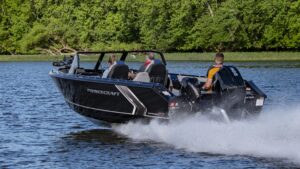
2025 Princecraft Platinum 220
Québec’s finest fishing machine. By: Jarrett Matthews The 2025 Platinum 220 from Princecraft Boats combines
Pontoons – the comfortable way to fish…
Here’s a look at seven top models. By Patrick Campeau The most imposing family of
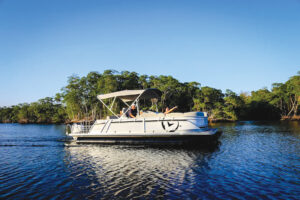
Vision Marine Technologies V24
By: Gordon Cruise McBride The brand-new V24 from Vision Marine Technologies is the ultimate electric
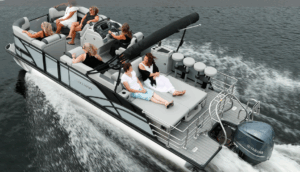
2025 Sylvan M Series M3 DLZ DC Bar
Barstools, a breeze, and your favourite beverage. By: Gordon Cruise McBride For many boaters, there
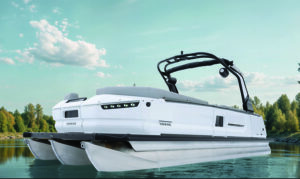
2025 Princecraft Vogue 25RL
An award-winning luxury pontoon – Made in Canada. By: Gordon Cruise McBride If you’re looking
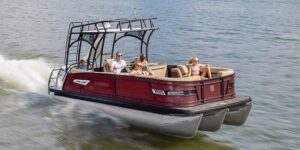
2025 Godfrey AquaPatio 275 SDC
The double the decks for twice the entertainment. By: Gordon Cruise McBride When it comes
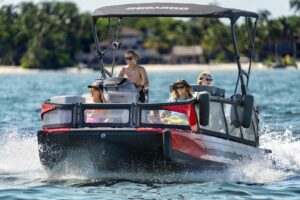
2025 Sea Doo Switch Sport 18
Uniquely exhilarating. By: Gordon Cruise McBride For 2025, Sea-Doo is offering five different styles of
2025 Formula 360 CBR
By Mike Burns There’s a certain moment when you first step aboard the Formula 360
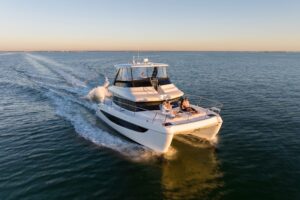
2025 Aquila 42 Yacht
By: Jarrett Matthews The Aquila 42 Yacht is a great example of a powerful catamaran
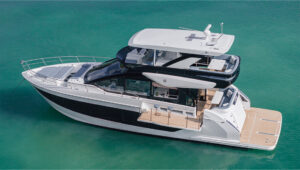
2025 Cruisers Yachts 57 FLY
A new era for Cruisers Yachts By: Jarrett Matthews Cruisers Yachts has long been known
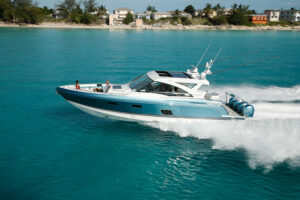
2025 Formula 430 All Sport Crossover
The embodiment of luxury and performance. By: Jarrett Matthews The Formula 430 All Sport Crossover
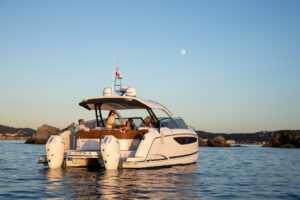
2025 Four Winns TH36 Catamaran
By: Walt Jennings After building boats since 1975, Four Winns has entered the power Catamaran
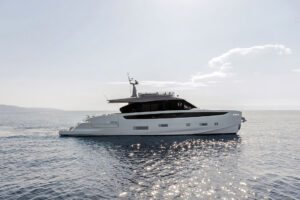
2025 Azimut Seadeck 7
By: Jarrett Matthews Azimut’s Seadeck 7 represents a big leap towards sustainable luxury yachting, combining
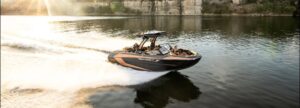
Tigé ULTRÉ ZX
By Timmy MaNamee Tigé Boats unveiled the all-new Ultré ZX Class for model year 2024.
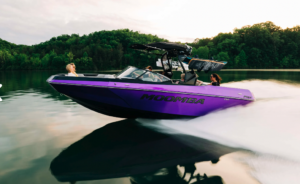
Moomba Max
The Moomba MAX stands as a testament to innovation and excellence in the realm of
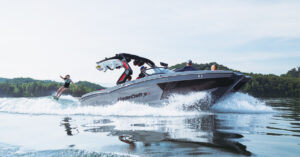
MasterCraft X-Star S
By: Timmy McNamee From the infamous MasterCraft X-Star, comes its predecessor of Surf, the MasterCraft
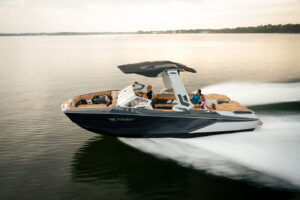
Nautique Paragon
By: Timmy McNamee The Nautique Paragon stands as a pinnacle in the realm of luxury
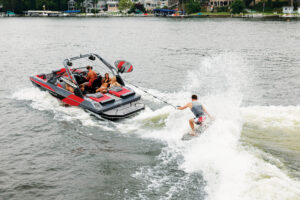
Starcraft MVX Surf
The Starcraft MVX Surf is a beacon of innovation in the world of wakesurf capable
Yamaha’s 222XD
By: Timmy McNamee The Yamaha 222XD stands tall among its competitors in the realm of
Express Post
Life Style

Gear
-
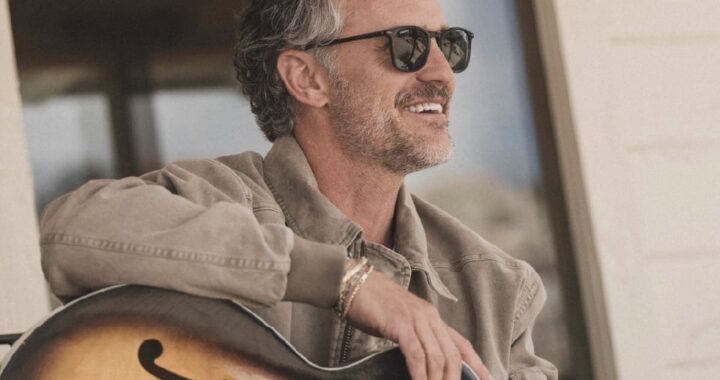
Serengeti Delio and Serengeti Lenwood Sunglasses: A Review for Boating and Watersports Enthusiasts
Every serious boater has a list of absolutely necessary things required on our boat. You might think of lifejackets, fire extinguishers, sufficient water and refreshments for all guests on board, rain gear, etc.
But one of the items I try never to forget is a good pair of quality sunglasses. Who among us has not spent a whole sunny day on the water and come home with sore eyes or even a headache because we forgot our sunglasses?
I bought my first pair of Serengeti sunglasses when I was 18 years old… That pair of Serengeti glasses protected my eyes for 10 years until they were lost at a beach resort in Mexico…
Many years have gone by since then, and I wanted to see what improvements have been integrated into the world of sunglasses, so I recently picked up two new models designed by Serengeti—the Delio and the Lenwood, both designed for eye protection in high-glare environments.
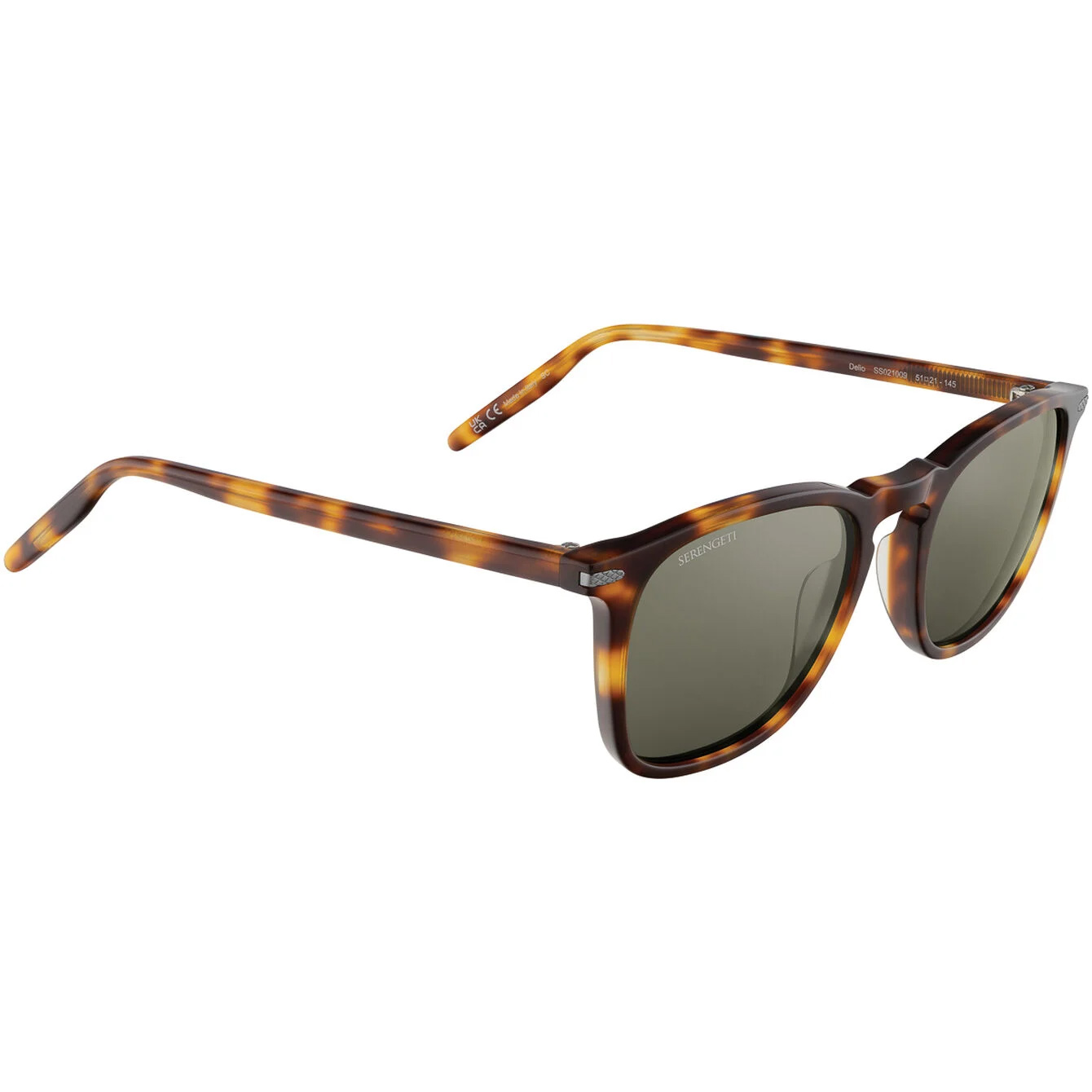
Delio Classic Tortoise-Mineral Polarized 555nm 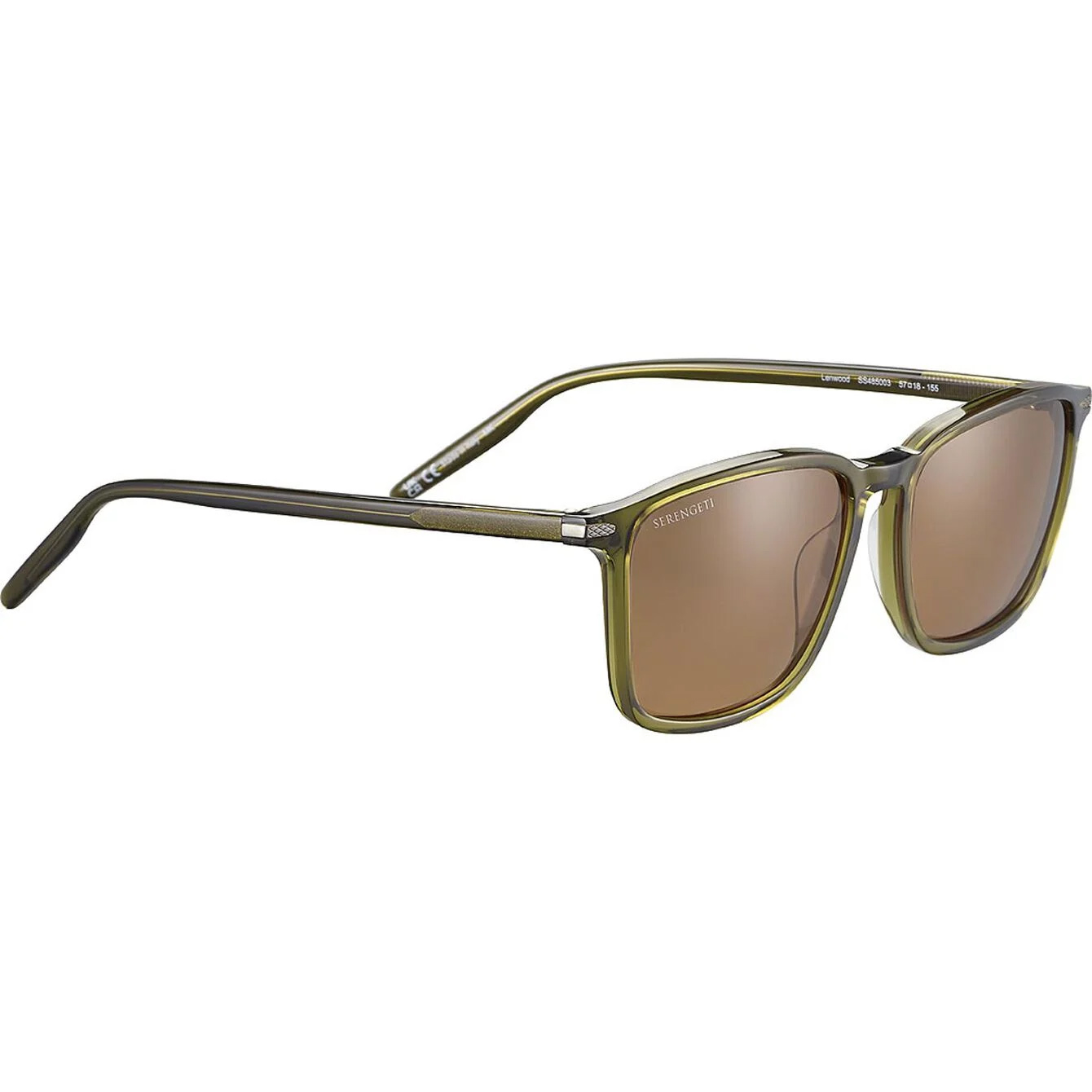
Lenwood Shiny Crystal Dark Green-Mineral Polarized Drivers Cat 2 Talk about a sleek modern look! The high-tech frames are manufactured in Italy, with both models constructed from rich Italian cellulose propionate acetate, which is known for its ability to withstand extreme conditions, making it perfect for watersports. It won’t warp or bend under the intense heat or cold, and it resists corrosion, even after prolonged exposure to saltwater.
Serengeti’s standout feature for both models is its Serengeti 555 nm lens technology. This proprietary lens technology is engineered to optimize contrast and reduce surface glare, making it ideal for high-glare situations that are common when you’re out on the water. Reefs look clearer, fish look bigger… or so we like to think!
The lenses are made from NXT™ material, which is a high-performance polymer that offers exceptional optical clarity, impact resistance, and lightweight comfort. Another key benefit of the NXT lenses is that they are also highly durable and photochromic lenses, which automatically adjust to changing light conditions. This is a major plus for boating, where you may transition from bright sunlight to shaded areas or even low-light conditions in a matter of moments. They also offer 100% UVA/UVB protection.
Ultimately, the choice is up to you, as both models excel in providing the eye protection necessary for all-day boating and watersports, with the Lenwood frame design coming in a tad larger on the face, at 43.5 mm. If you are concerned about protecting your vision while enjoying your favourite water activities, you can trust Serengeti to deliver the optical technology and durability required for an exceptional experience on the water.

Fishing
-
The joys of fishing under the ice
Tips and tricks to keep you safe while fishing during the winter.
By Patrick Campeau
Soon, the surface of the water will freeze over and turn into a blanket of ice. Instead of moping around all winter and missing your boat and all of the joys of boating, take out your ice fishing gear in anticipation of the beautiful cold season ahead.
Dig through your closet and get your warmest clothes ready to soon take on three fun species to catch.
First of all
Before getting down to business, we must first ensure our safety and that of everyone accompanying us.
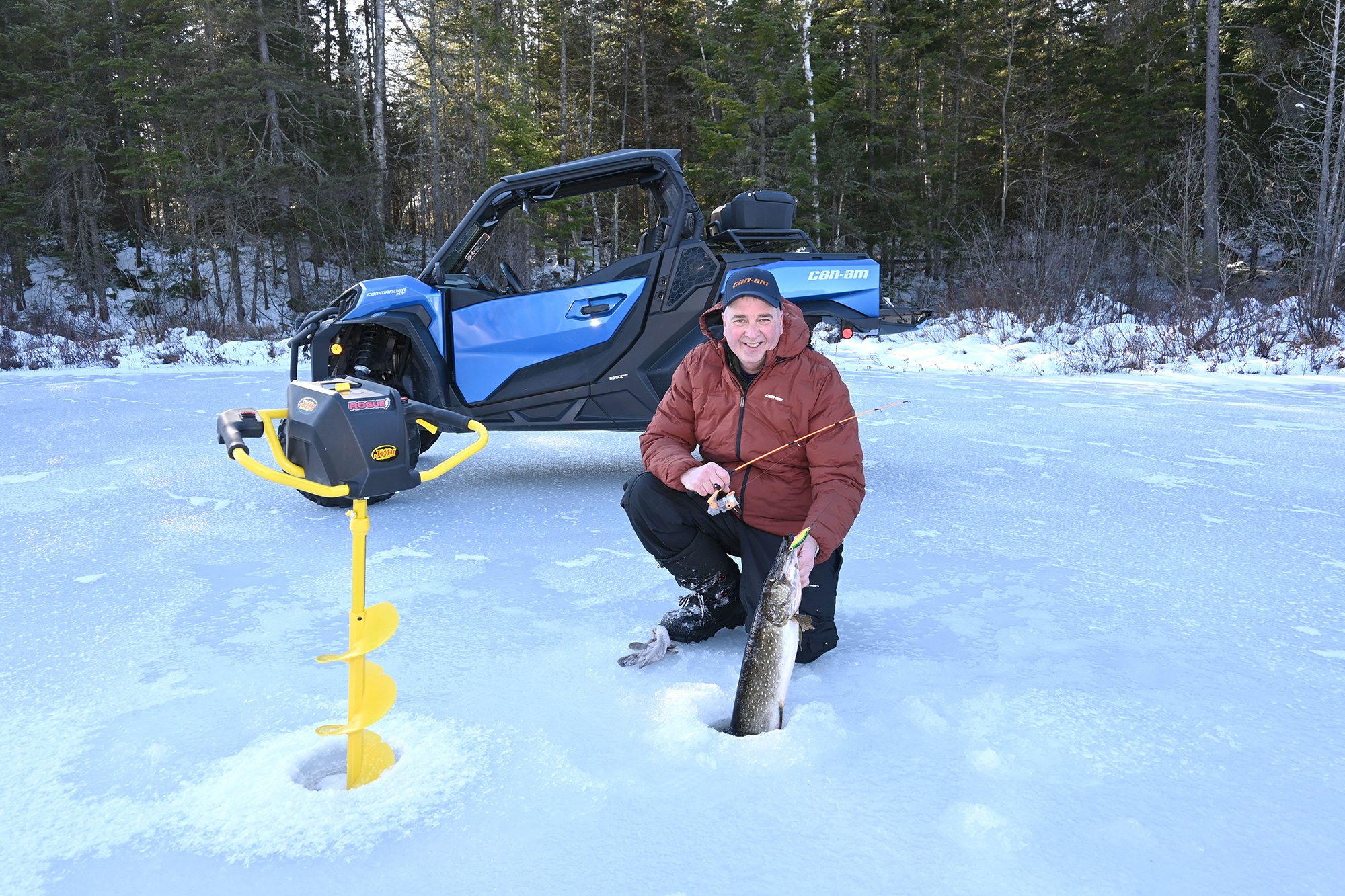
The ice must be at least 7 cm (3 in.) thick before you can even think about venturing out onto it. Once it reaches 10 cm (4 in.), you can move around to locate fish. It is essential to remember not to ride ATVs or snowmobiles until the ice crust is at least 12 cm (5 in.) thick. Then, once it is more than 30 cm (12 in) thick, you can drive your car or pickup truck on it. Test the thickness frequently to ensure everyone’s safety.
Be aware and remember that a blue and transparent surface is safe. An opaque surface is almost as solid. White ice usually contains a high percentage of air, and if it is gray or dark, it is unstable and dangerous.
The Perch
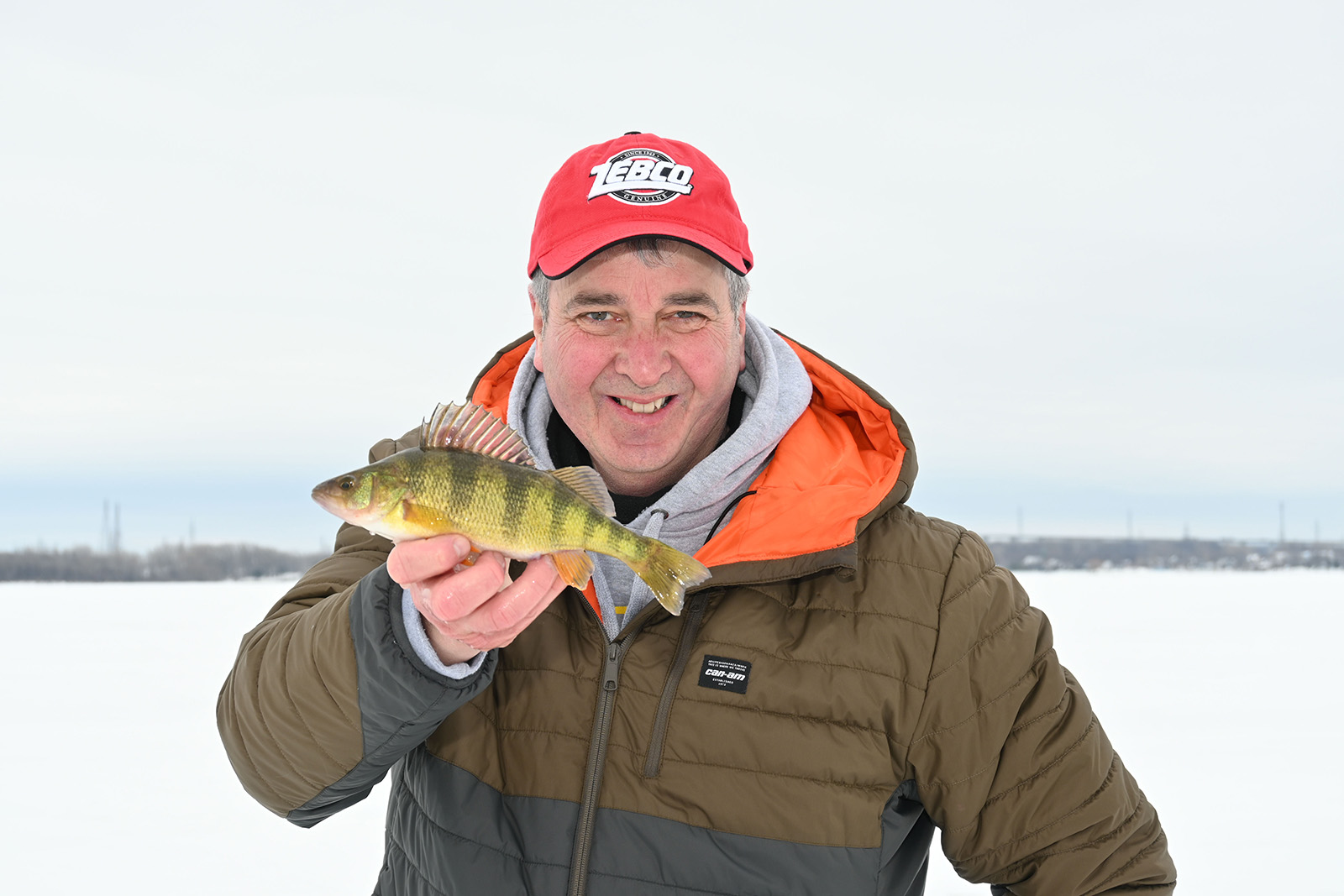
Sought after for its tender flesh and fierce fighting spirit, the yellow perch is one of the most sought-after fish in winter. The colorful, silvery scales of these small percids sparkle in the dim winter light. Known for its liveliness and combativeness, it thrives in cool, oxygenated waters, especially in winter. The surprising energy it is capable of displaying, relative to its size, makes it particularly exciting to catch. Fishing for them is a game of finesse, where every bite is an adrenaline rush. Their delicate flavour makes them a welcome treat for the whole table. Fishing for yellow perch in winter is a way to prolong the magic of nature, even when the cold sets in.
Where to find them: Yellow perch love shallow to medium structures at depths of 2 to 6 meters. Dense weed beds, various structures, gentle slopes, and changes in cover are sure to attract them. In winter, they often gather in schools and move throughout the day.
Equipment: Aside from tip-ups and submerged rigs such as Polar tip-ups, you would be interested in using a Lew’s Laser Ice 25» L/M lightweight rod and reel combination equipped with 4-pound/test fluorescent green P-Line HP-ICE line to try to outsmart them.
Arsenal: An array of lures such as the ice fly, the Tungsten Toad, the Meenie with a 1/16 oz jig head, the Rattl’n Flyer Spoon, the Lindy Perch Talker, the Mooselook Midget 1/12 oz, the W10 Wabler, the Rattl’n Quiver Spoon, the Atomic Teaser, and the Tri Color Mini Tube Twister will allow you to catch these beautiful little opponents.
Techniques and approaches: With the aforementioned offerings, opt for an active vertical presentation. Drop the jig into the hole, jerk it a few times on the way down, then let it fall without tension and then reel it back up. Bites often occur during the descent. Vibrate the lure near the bottom and reel it back up. Explore all depths of the water column. Your Garmin sonar and especially a LiveScope will help you locate them more easily. If the fish are biting on the tip of their lips, reduce the size of your offerings and the cadence.
Tips: Change the color and profile of your presentation frequently until you find the right combination. Perch sometimes like small vibrations. Stay patient near the weed beds as they often return there.
The Walleye
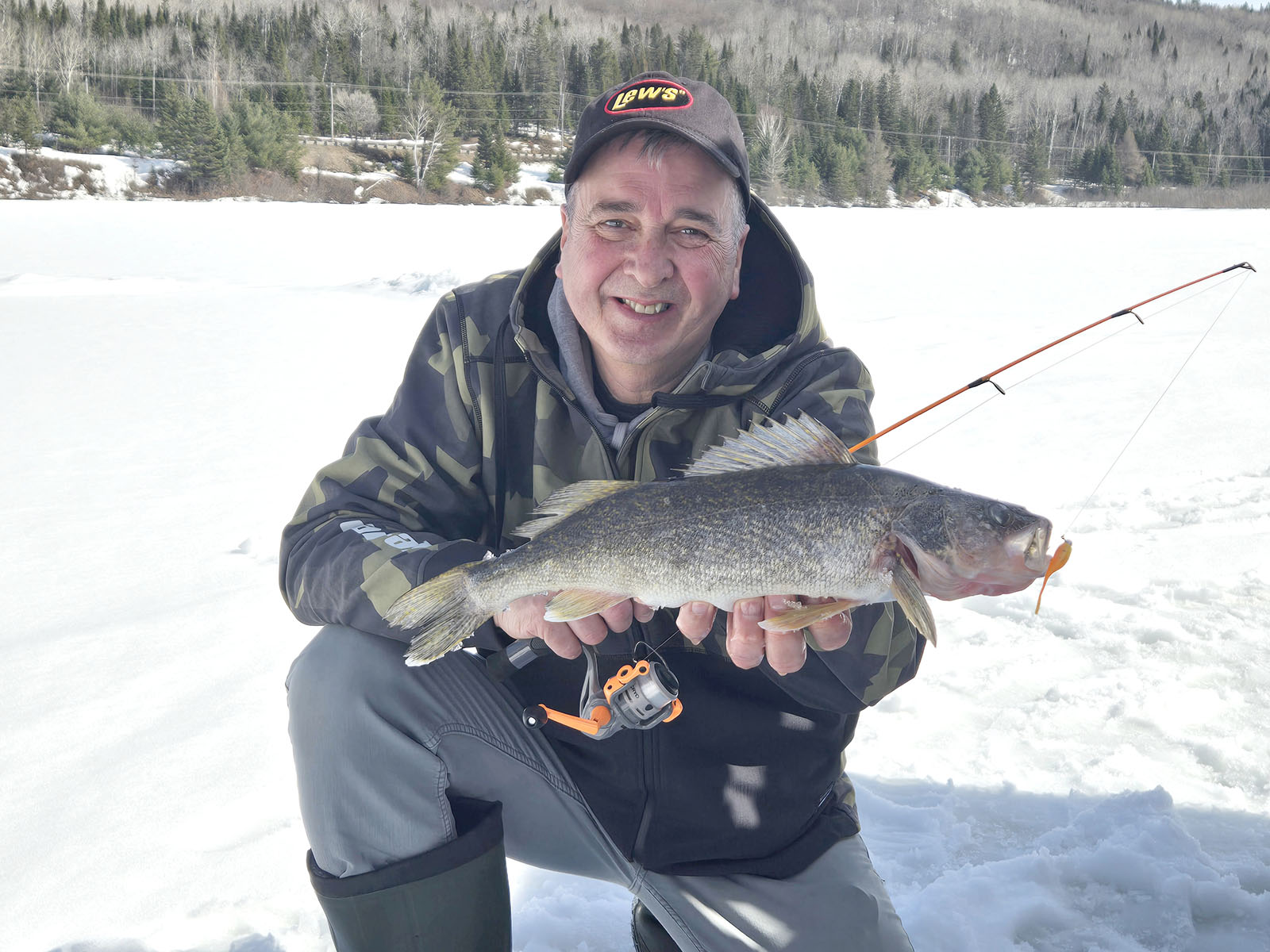
The king of the Percidae family is also the king of the dinner table as its flesh is highly sought after by food lovers and gourmets. With its beautiful bronze and gold coloring, this predator is at its most splendid in winter. Its slender silhouette and fast swimming make it a formidable opponent, much to the delight of true enthusiasts. Its firm, delicious, and flavorful flesh makes it a fish of choice for lovers of fine cuisine. Fishing for walleye in winter is a challenge that renews itself every evening and morning. Even though the ice filters and attenuates the sun’s rays, this glutton prefers to be active in a subdued environment.
Where to find them: Walleye like breaks and escarpments, mixed gravel and sand bottoms, bays, underwater islands, and channels, no matter how shallow. In winter, they often stay near the bottom close to weed beds at the transition point between deeper and shallower areas.
Equipment: In addition to the traditional tip-ups and modern versions where the reel is submerged, I suggest you opt for a Lew’s Laser Ice 28» MH/M medium-heavy action rod and reel combo with 6 or 8 lb test P-Line HP-ICE line or 10 lb test P-Line X-BRAID line.
Arsenal: A tackle box including Mister Twister Teeny jig heads, a Williams W30-40 with a minnow head, a CC Spoon, a Lindy Rattl’N Quiver Spoon, an Ice Jig J50, a Nipigon with a minnow head, a Jigging Rap, a Rattl’N Flyer Spoon, a Lindy Glow Streak, a Sassy Stingum, and a Heddon Sonar will allow you to fool even the most suspicious walleye.
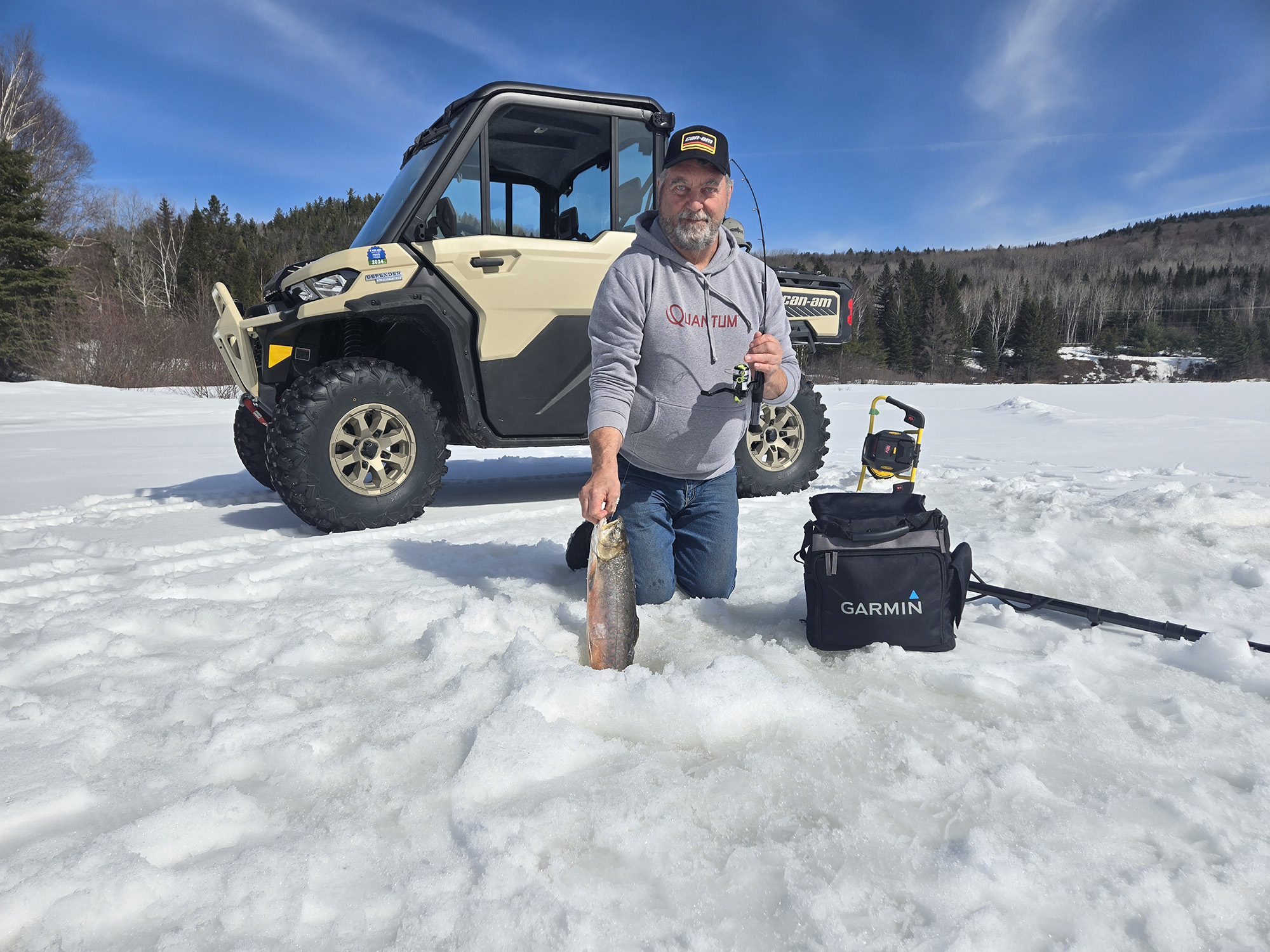 The Garmin Livescope gives you an extraordinary advantage in locating fish and analyzing their behavior in response to your presentations
Techniques and approaches: If you know how to jig, you’ll love these predators. Go vertical, lowering everything to the bottom, then slowly reeling in with controlled jerks of 10 to 15cm, holding the lure throughout its descent because that’s when 90% of the strikes occur. Although they like to stay close to the bottom, don’t hesitate to explore all depths because in many cases the closer it gets to nighttime, the higher up in the water column they rise. Garmin’s Livescope will show you the exact location of walleye and how they react to your presentations.
Tips: Vary the speed of your movements often because some days they want a fast drop and other days a slow and reassuring presentation. Natural colors, such as white, pearl, yellow, and luminescent work well in clear water. Opt for more contrasting colours when visibility is lower. Let your lure sink several times in the same area instead of taking long breaks.
The Pike
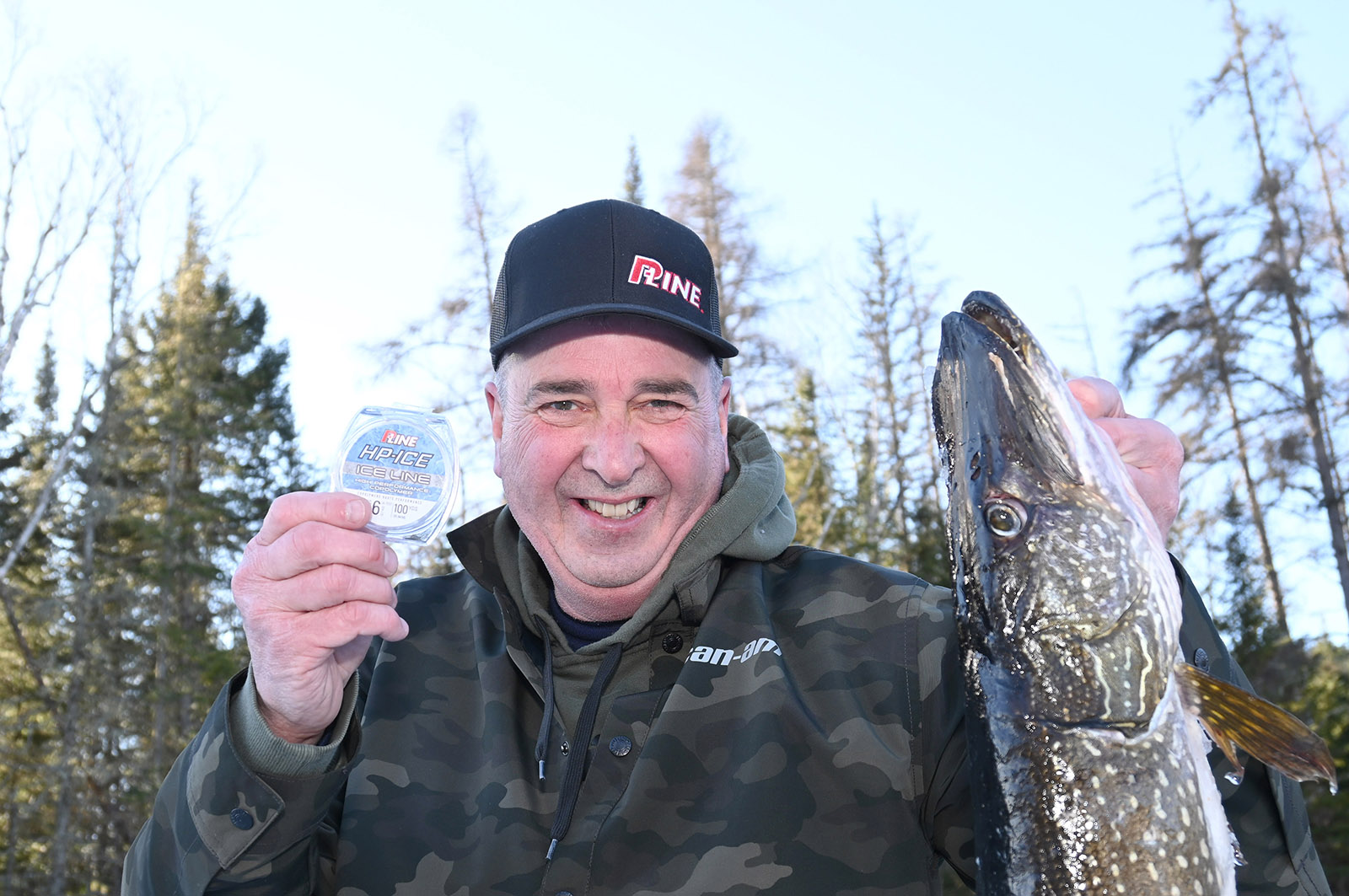
When looking for predators with large teeth such as this magnificent specimen, it is best to be well equipped and rely on the performance of a good winter fishing line such as HP-ICE. With its powerful jaws and sharp teeth, this formidable predator dominates cold waters in winter. Its elongated body with perfect camouflage coloring in murky waters allows it to blend silently into the background while waiting for its next prey. Its energy and legendary fights are just as vigorous during the bitter cold. Every bite is a real adrenaline rush as if the fish wants to test your determination. Fishing for pike in winter means entering a wild world where nature reveals all of its power and resilience.
Where to find them: These aggressive, opportunistic predators often stay close to weed beds, tangles of submerged grass and wood, or various structures where they can lie in wait for potential prey. In winter, active pike concentrate near structures, but they may also patrol wider corridors in search of their next meal.
Equipment: Rocking tip-ups and tip-ups with submerged reels work great, but I prefer the synergy of a jointed offering with a Lew’s Speed Spin Ice 38» MH/F medium-stiff rod and reel combo loaded with 100 yards of clear P-Line PIC-10 HP ICE line.
Arsenal: If you want to restock your lure box, make sure you have a Williams Wabler W50 perch, a Cotton Cordell Super Spot, a Glow Streak, an HQ35, an Ice Jig J50, a Booyah Bait Hard Knocker, a Syclops S2, a War Eagle Jiggin Spoon, a 4-inch Double Tail Mister Twister on a jig head and a Bay de Noc Swedish Pimple.
Techniques and approaches: Opt for a more aggressive presentation than what is used for yellow perch and walleye, using powerful lift-ups followed by pauses. Pike often attack in response to a large profile. Explore the edges of weed beds and tributaries and then cover the areas by waltzing your lure at different depths. Use sweeping movements to provoke an attack.
Tips: An indecisive pike will delicately and clumsily grab your lure. On the other hand, once it makes up its mind, it will bite hard and put up a fight worthy of mention. When it comes to larger specimens, be prepared for an intense battle. Take the time necessary to tire the fish out without delaying too long. During calm periods, use lures with strong auditory and vibratory resonance. If nothing responds, gradually change depth. Fish can be found in a very specific area, sometimes less than a meter away from your fishing position on the surface.
Patrick Campeau is a professional fisherman and a three-time provincial champion, inducted into the Canadian Pantheon of Fishing. Find out more about Patrick Campeau at www.pcampeau.com or www.facebook.com/lapassiondepatrickcampeau