
By Patrick Campeau
When we try to analyze all the equipment and accessories that have been developed to help anglers catch more fish, we realize that there have been quite a few of them and that it can be difficult to rank them in order of importance based on the impact they’ve had on our performance and results.
Let’s talk marine
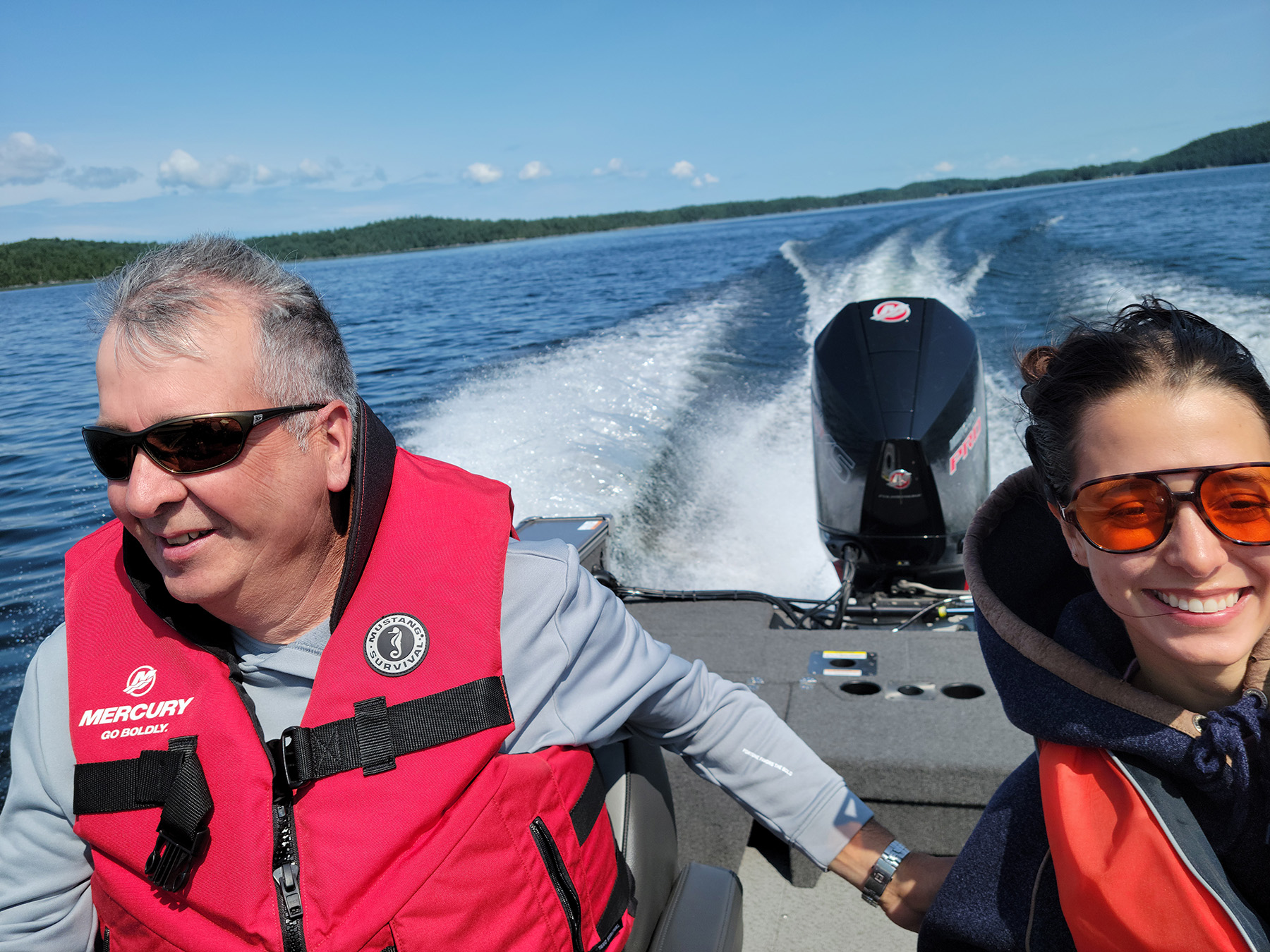
If it weren’t for motorists, we’d all still be fishing from the water’s edge or not far from the shore. The first detachable electric motor mounted on a rowboat was developed in 1881 by a French inventor, Gustave Trouvé. It was the American Cameron Waterman who patented the first gasoline-powered model in 1905: the Porto-Motor. However, Ole Evinrude is considered the true father of the modern outboard motor with the creation of his 1.5-ch vertical gasoline engine. He brought the popular Johnson and Evinrude brands to market, which unfortunately no longer exist today. It wasn’t until 1939 that American engineer Elmer Carl Kiekhaefer founded Mercury Marine. In 1940, he made a splash at the New York Boat Show with the launch of the Mercury brand, named after the Roman god of speed. It was an instant success, with Kiekhaefer receiving more than 16,000 orders. Today, the company offers product lines such as Verado, FourStroke, Pro XS, SeaPro, ProKicker, Jets, Avator, R-Series Racing, and more, allowing us to set out to sea with complete confidence. Several other manufacturers have also developed products over time.
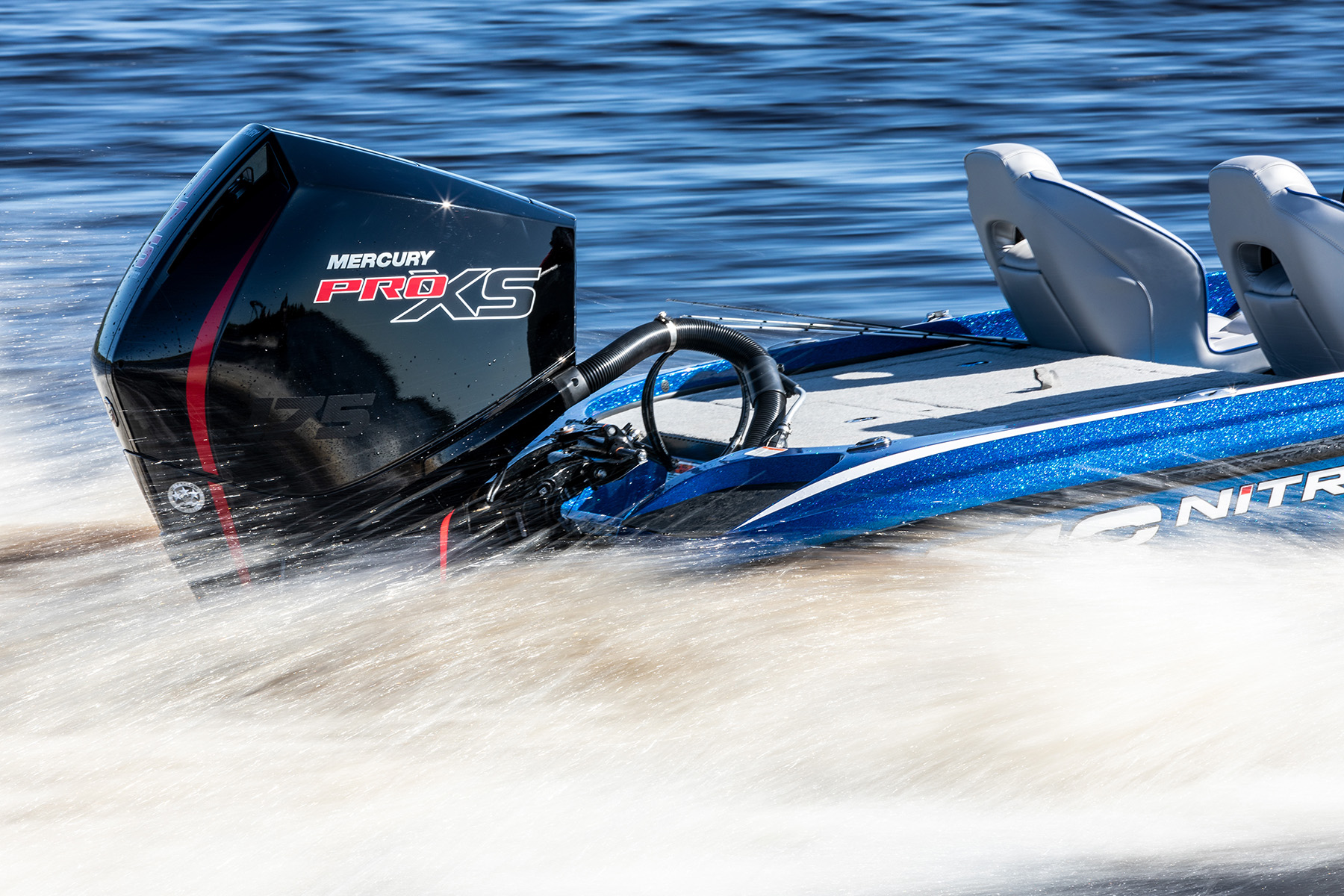
It floats
I absolutely must mention modern hull designers; otherwise, we might still be fishing from a homemade raft. We all remember the rowboats and flat-bottomed or slightly arched boats that would chug along through the waves. Ray Hunt was the first naval architect to design the deep-V hull—known as the Deep-V—in 1960, capable of cutting through the waves at high speed. His first wooden prototype immediately won the Miami-Nassau race, leading to the introduction of the fiberglass Bertram 31 model. He also collaborated on the development of the Concordia yawls and the design of the renowned Boston Whalers. High-performance hulls for anglers—made of specialized fiberglass or riveted or welded aluminum—then began appearing on the market. These lightweight, unsinkable, fast boats, equipped with all the necessary gear, have allowed us as recreational boaters to make giant strides. Just think of brands like Lund, Princecraft, Crestliner, Legend, Ranger, Nitro, and others to realize just how much they enable us to get around efficiently and safely.
At the end of the line
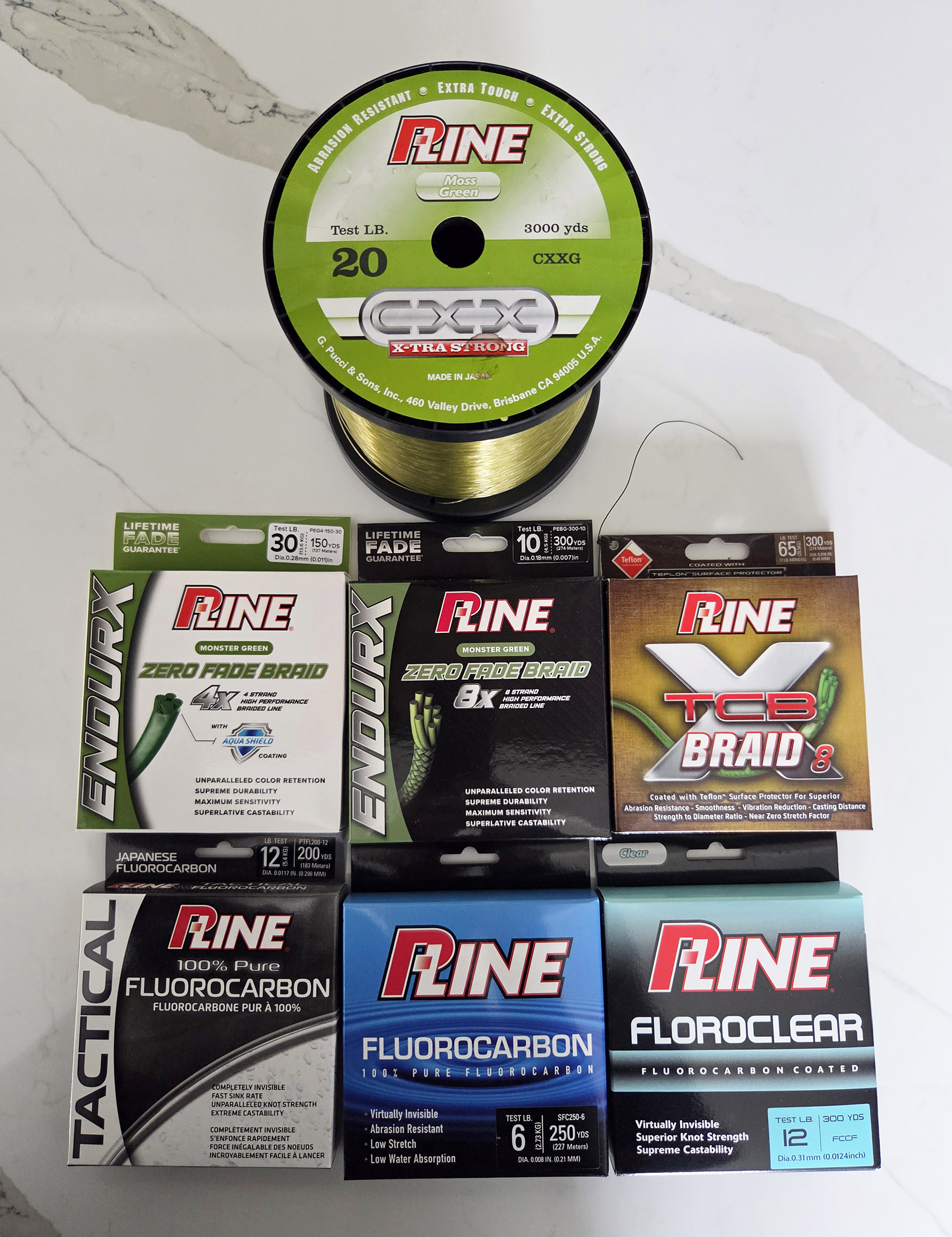
Back then, we fished with rope, which looked much more like thick bootlaces than line and was easy to handle. The flexible, easy-to-handle nylon monofilament appeared in 1939, and DuPont holds the exclusive patent for it. We had just entered a new era where subtlety actually mattered. A few years later, the company P-Line combined two different types of nylon to produce a very fine line: the copolymer. It was in 1971 that fluorocarbon—a line with a refractive index of zero that allows it to disappear in the water column—first appeared in stores. With its high density, it is the only line that sinks while also being highly abrasion-resistant. The top honor, however, goes to Dutch State Mines for the invention of multi-strand polyethylene line, also known as Spectra and Dyneema. In addition to having zero elasticity, it offers unmatched strength for an incredibly small diameter. Its ability to detect bites, even at long distances, is unmatched, as is its power transfer during the set.
Fantastic Revolution
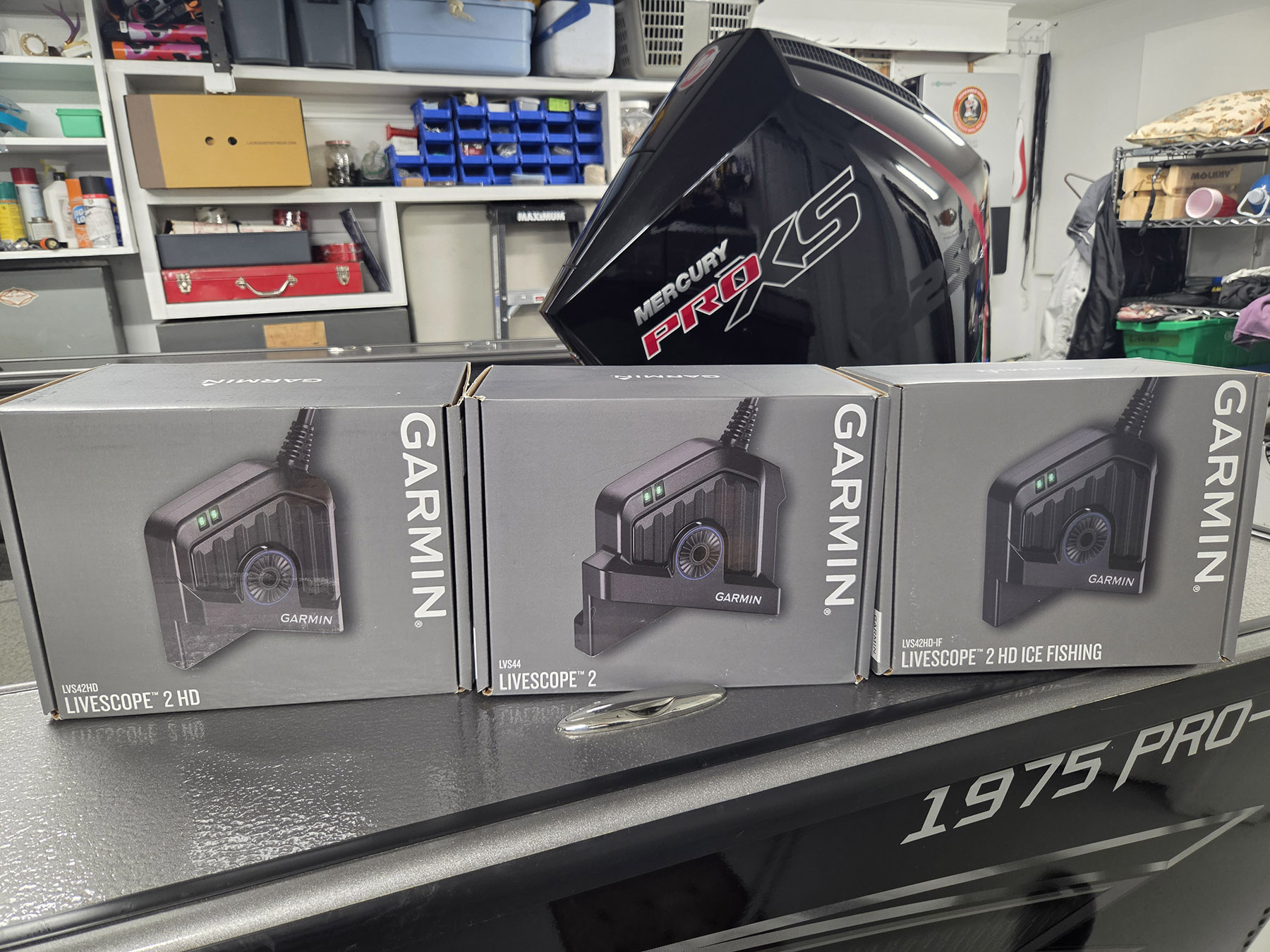
The portable fish finder—the famous sonar—has been around since 1957. It was Lowrance that first brought the “Little Green Box” to market back then. This device finally allowed anglers to better understand what was happening beneath their boats, as well as to locate fish, schools of baitfish, and changes in depth. Wow, wow, and wow again. Over the years, we’ve seen the emergence of LCD (liquid crystal display) technology, chartplotters, and more. Then came digital bathymetric mapping, which assisted us and guided us safely right on the screen. Then, at the turn of the century, Garmin seized the opportunity and took sonar technology to the next level with CHIRP—a continuous frequency sweep that provides better target separation. Next came ClearVü and SideVü scanning imaging, with near-photographic quality to examine structures directly beneath and to the sides of the boat. This was followed by a major breakthrough in 2015 with Panoptix, featuring multidirectional and dynamic views forward, downward, and in 3D. And as if that weren’t enough, Garmin launched the LiveScope revolution with its real-time forward-facing sonars to instantly see fish swimming, their reactions, and more. Just three months ago, they redefined the industry with the LiveScope 2 HD. Imagine the LVS42HD—it’s optimized for casting distances of up to 80 feet. It features the clearest live sonar Garmin has ever developed, offering 50% more detail at close range compared to the previous model. The LVS44 builds on the proven LiveScope Plus technology and offers 20% higher resolution as well as 25% greater range—up to 125 feet—for anglers who want to scan larger bodies of water and locate fish farther from the boat. The LiveScope 2 HD Ice Fishing, designed for ice fishing enthusiasts, delivers the same superior image clarity and features a shorter, more flexible cable designed to withstand cold water.
Increased Control
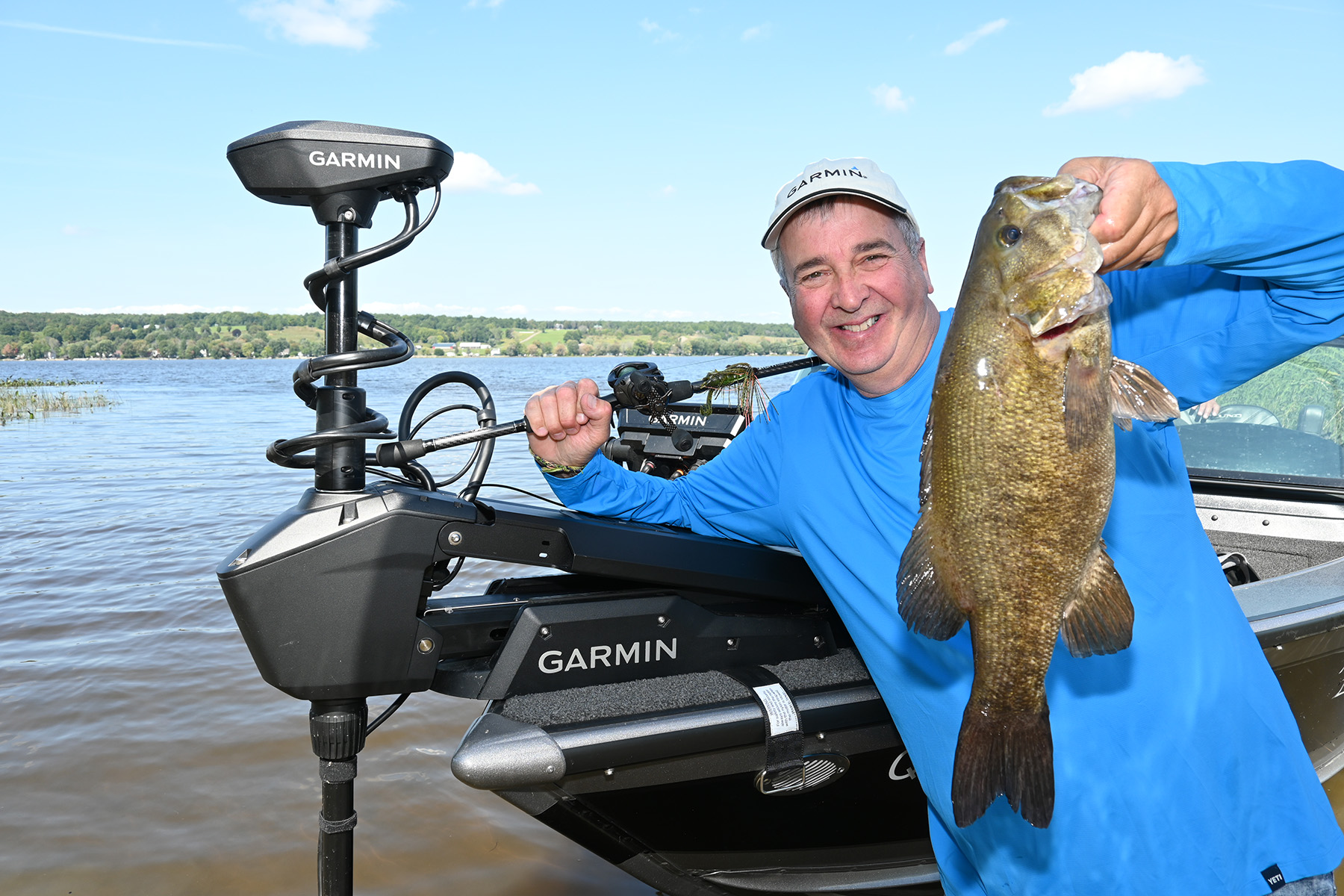
The feature that has truly changed the fishing habits and approaches of serious anglers forever is, without a doubt, the modern electric motor mounted at the bow of the boat. Just imagine—no more need to use an anchor thanks to the Anchor Lock or Spot-Lock feature, which keeps us in place, down to the inch, by pairing with the multi-band GPS system. Think about it: with a model like the Garmin Force Pro, which automatically syncs with an ECHOMAP or GPSMAP sonar, you can store 5,000 waypoints, 50 saved tracks/trails, and up to 100 routes. You can control it either with your foot or a joystick. It even has a Reverse Prop Spin feature to clear it out of weed beds or simply back up by briefly reversing the propeller’s rotation. In short, total control!
For fishing
When it comes to lures, the fact that fish hold onto them in their mouths for much longer is undoubtedly due to the invention of Plastisol soft plastic lures in 1950 by Nick Creme of Creme Worm. Their realistic texture and unprecedented flexibility are much more appealing to predators. Later, the little-known company Twister developed two modern classics: the soft plastic lure with a curved tail, known as the Curly Tail, and the one with an oversized tail, the Paddle Tail.
When it comes time to retrieve the line and fight the fish, the reel is second to none. In the late 1930s, the first light-tackle fishing method—known as spinning—made its debut. It was the Frenchman Charles Pons who developed the famous Mitchell 300. Later, Zebco invented the first push-button reel, also known as a spincast reel.
The fishing rod, as we know it, has come a long way. Originally, our ancestors fished using pieces of branches. Later came bamboo, in all its forms, and sturdy fiberglass in 1945. Then, in 1973, carbon fiber made its debut, offering unparalleled tactile sensitivity and bite detection. From that point on, anglers could feel in the tips of their fingers when fish took the bait and even sense changes in the bottom. It’s worth noting that the terms “carbon” and “graphite” are often used interchangeably to describe these materials; graphite fibers are, more precisely, fibers containing at least 99% carbon, while the term “carbon fiber” is used for any fiber with a carbon content of 93% to 95% or higher.
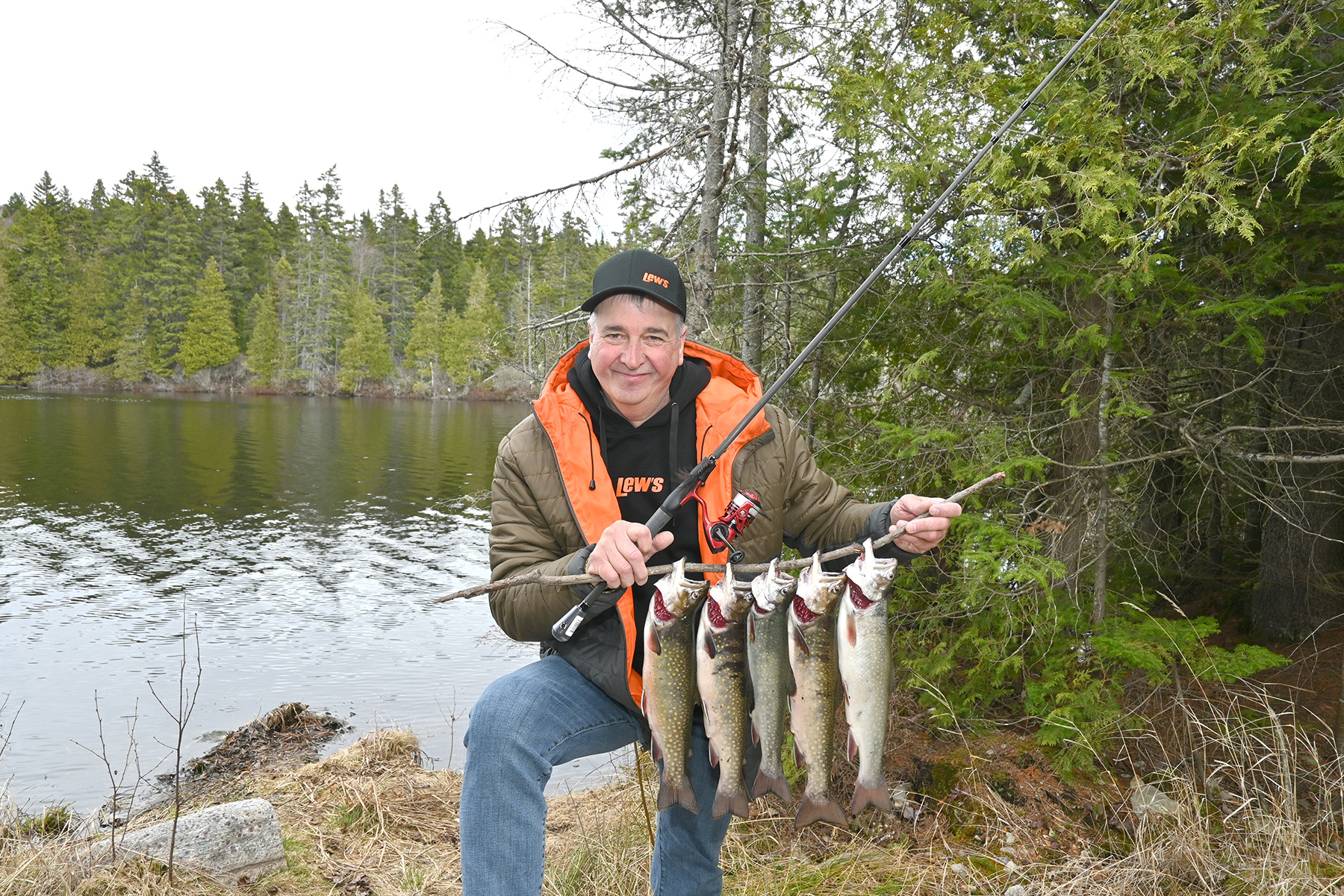
All of the innovations put into fishing gear help us outwit beautiful fish like this one.
Patrick Campeau is a professional fisherman and a three-time provincial champion, inducted into the Canadian Pantheon of Fishing. Find out more about Patrick Campeau at www.pcampeau.com or www.facebook.com/lapassiondepatrickcampeau
Keyword : Crestliner, EchoMap, fishing, fishing accessories, fishing tips. fishing gear, Garmin, Garmin Force Pro, GPSMAP, Legend, LiveScope 2 HD Ice Fishing, Lund, LVS42HD, LVS44, Mercury, Mercury Marine, mercury racing, Nitro, P-line, Princecraft, ranger Crestliner, EchoMap, fishing, fishing accessories, fishing tips. fishing gear, Garmin, Garmin Force Pro, GPSMAP, Legend, LiveScope 2 HD Ice Fishing, Lund, LVS42HD, LVS44, Mercury, Mercury Marine, mercury racing, Nitro, P-line, Princecraft, ranger